What to do when the volunteer work day turns up cracks in the walls
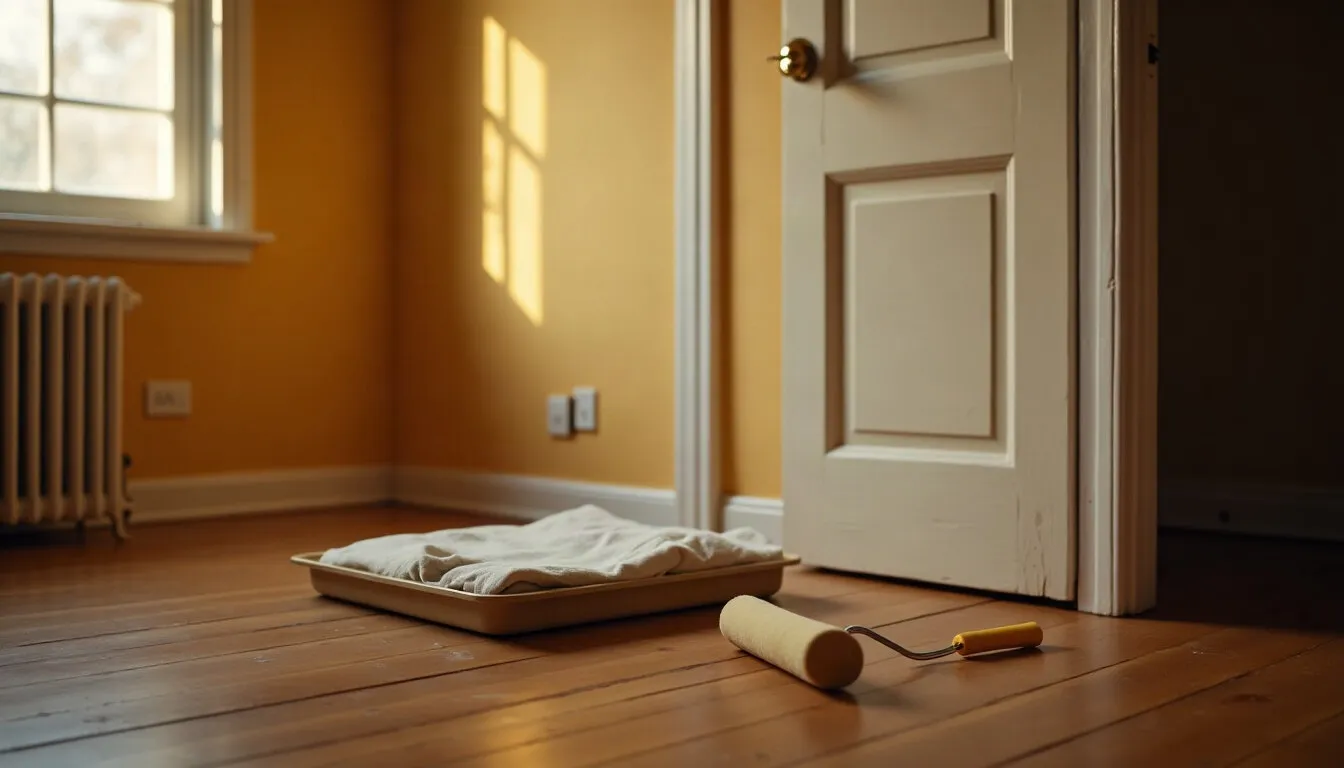
It's 8:20 on a Saturday, and six of you are in a neighbor's front room with drop cloths and a box of donuts. The plan: paint two bedrooms, fix the back door that won't latch. Then someone points above the bedroom doorway, where a crack runs up from the corner at an angle, and the back door starts to look like a frame that has moved.
That's the moment a volunteer work day needs a different plan. If the house is in Addison, Texas, one local foundation repair company describes its work at https://addisonfoundationpros.com/, and that's the kind of name worth having on your list before the paint goes on. Wherever your team works, the job of the work day leader is the same: notice the bigger problem, stop the team covering it up, and get the right person to look at it.
This piece is about how to run a volunteer repair day when you find signs of a foundation problem, and how to set things up so the team stays useful, safe and welcome at the next house.
Why work days keep running into bigger problems
Volunteer repair days tend to go to the houses that need them most. That usually means an older home, an owner who has put off repairs for a while, and a list of small jobs that has grown over several years. Small jobs often have bigger causes.
A crack over a door, a door that sticks in summer and swings free in winter, a gap opening between the baseboard and the floor, a window that's hard to shut: any one of these can be nothing much. Together, they can point to a house that has shifted on its foundation. In parts of North Texas the ground swells when it's wet and shrinks back in long dry, hot spells, and houses on that kind of soil can move with it. Other regions have their own versions, from freeze and thaw to poor drainage around the slab.
The trouble is that a work day is built to fix what it can see. Volunteers are good at filling, sanding and painting. Fill a moving crack and paint over it, and the house looks better for a month while the real cause carries on underneath. Worse, the homeowner may now believe the problem has been dealt with.
So the real cause isn't the crack. It's a work day plan with no step for "this is beyond us".
What to set up beforehand
Most of this happens on a scouting visit a week or two before the day itself. Two people, a notebook and half an hour with the homeowner is enough.
Walk the house slowly and look for the signs above. Open and close every interior and exterior door. Look at the corners of door and window frames, and along the line where walls meet the ceiling. Glance at the outside walls if they're brick, where stepped cracks along the mortar are worth noting. You aren't diagnosing anything. You're deciding which jobs your team can safely take and which need a professional first.
Then sort the job list into two columns before anyone buys supplies.
| Volunteers can do | Needs a paid professional first |
|---|---|
| Clear and clean rooms, move furniture | Any crack that runs at an angle from a door or window corner |
| Paint walls with no cracks or only fine surface lines | Doors or windows that have started sticking or won't latch |
| Rake, weed and clear gutters from the ground | Gaps between walls and floors or ceilings |
| Replace cabinet handles, tighten loose shelves | Anything involving the slab, piers, beams or support |
| Fit a new door draft strip once the frame is checked | Patching or painting over a crack that may still be moving |
A few other things belong on the setup list:
- One contact person. Pick one volunteer who talks to the homeowner and to any professional. The homeowner shouldn't get six opinions over coffee.
- A short list of local pros. For each area your team works in, keep a name for foundations, plumbing, electrical and roofing. Find them before the work day, not while everyone's waiting with rollers in hand.
- A "hold" job. Have one backup task ready (the garden, the garage, the kitchen cupboards) so the team has something real to do if a room gets taken off the list.
- Photos with permission. Ask the homeowner if you can take a few photos of the cracks and doors. They help the professional and they help the homeowner remember what was found.
None of this costs much. It's mostly a habit: walk first, buy second.
What to say
This is the part most work day leaders dread, because the homeowner was expecting fresh paint and you're now telling them the house might need something bigger. Say it early, say it plainly and keep it short. Don't guess at causes, costs or how serious it is. That's for the professional.
Talk to the homeowner on the scouting visit if you can, rather than on the day with the whole team watching. Sit down, show them the photos, and be clear about what the team will still do.
Say it like this
We noticed a crack over the bedroom door and the back door sticking, and we'd like a foundation specialist to look at them before we paint those walls.
We'll still do the hallway, the kitchen and the garden on Saturday. Would you like help finding someone to come and take a look?
Then talk to the team. Volunteers get disappointed when a job they were looking forward to gets pulled, and some will want to "just patch it anyway, it's only a crack". Give them the reason once and give them the new plan straight away, so nobody stands around feeling sent home.
Keep the group chat simple too: what changed, what the team is doing instead, and the start time. Don't post the homeowner's photos in a group chat. They belong to the homeowner and the person they've asked for help.
On the day
Start with five minutes in the driveway, not in the house. Walk through the plan: which rooms are on, which rooms are off and why, and who the contact person is. People listen better before the drop cloths come out.
A few habits keep the day steady:
- Mark the off-limits jobs. A strip of painter's tape across a doorframe is enough to say "not today". Tell people what it means.
- No "while I'm here" repairs. Someone always finds a spare hour and offers to fix the sticking door with a plane. Don't. Shaving a door that's sticking because the frame has moved only hides what the professional needs to see.
- Keep volunteers off the structure. No crawling under the house, no digging around the slab, no jacking or propping anything. If a professional is visiting the same day, the contact person meets them and the team keeps working elsewhere.
- Notice new things. If anyone spots something else on the list of signs, they tell the contact person. They don't fix it.
- Finish what you said you'd finish. The homeowner should end the day with clearly better rooms, even if two are waiting.
I've run days where half the plan got pulled at 8:30 in the morning, and the house still looked noticeably better by lunch. What people remember isn't the rooms you didn't paint. It's whether the team seemed to know what it was doing.
Following up afterwards
A work day that finds a bigger problem isn't over when the team packs up. The follow-up is where the homeowner learns whether your group meant what it said.
Within a few days, the contact person checks in. Did a professional come out? Does the homeowner want help understanding what they were told, or someone to sit in on the visit? Don't advise on quotes or decisions about money; that's the homeowner's call, and if they want advice, point them to someone qualified. Your job is to make sure they aren't left alone with it.
Once any foundation work is done, offer to come back for the rooms you skipped. Ask the professional, through the homeowner, whether the walls are ready to patch and paint, or whether to wait. A second, smaller work day for those two rooms is often the best part of the whole project, because the team gets to finish the job properly.
Write a short note for the team's own records too: the signs you saw, what you said, and what you'd do differently. The next work day leader will be glad of it.
Before your next team night
Add one line to your scouting visit checklist: "Open and close every door, and look at the corners of every frame." Then ask whoever keeps the team's contact list to add a local foundation specialist for each area you work in, before you need one.
A team that knows when to stop is a team homeowners trust with their next list.