
7 things to sort out before a volunteer work day at the hall
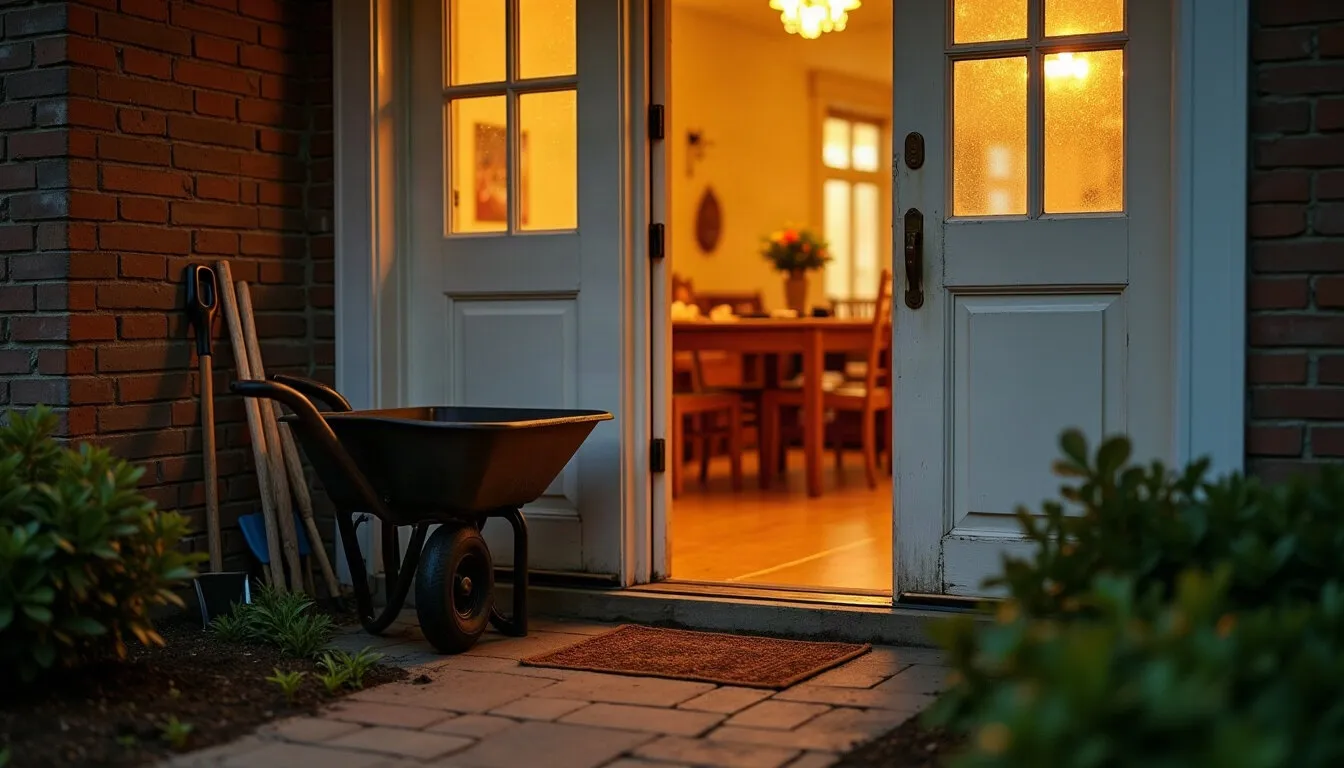
Saturday, 8:50 am. Eleven volunteers are standing in the hall's parking lot with coffee, gloves and three borrowed wheelbarrows. The plan was to tidy the flower beds, repaint the bike shelter and fix "that cracked bit of path by the side door." Somebody has already brought a bag of concrete mix.
That last job is where work days go wrong. Cracked paths, sinking steps and split driveways can point to problems underneath that volunteers shouldn't touch. If your group meets around Nashville and wants to see the kind of foundation, concrete and driveway work a contractor handles, Click Here. Wherever you are, the rule is the same, and this piece shows how to plan a work day around it.
Why work days drift into the wrong jobs
Volunteer work days start with good intentions and a long list. The list grows every time someone walks past the building and notices something: a sticking door, a wobbly handrail, a crack in the concrete. By Saturday, it's a mix of jobs anyone can do and jobs nobody on the team should be doing.
Nobody sorts them because nobody wants to be the one who says "we can't do that." There's also the enthusiast. Most teams have one person who has done a bit of building work at home and is confident they can sort the crack in an hour. They mean well. They're also the reason a two-minute patch over a moving slab turns into a bigger repair a year later, or a sore back on Monday.
Concrete is the classic trap. A crack in a path looks like a surface problem, so it feels like a surface fix. Sometimes it is. Sometimes the ground underneath has settled, water is getting in where it shouldn't, or the crack is one small sign of movement in a step or a wall nearby. Volunteers can't tell which from looking, and neither can I. That's exactly the point: the person who can tell is a professional who looks at foundations and concrete for a living.
And there's money. A committee with a tight budget sees a free Saturday of volunteer labor and wants to get as much done as possible. That's understandable. It's also how volunteers end up on ladders and under steps.
What to sort out before the day
Here's what I go through with the committee before every work day. It takes one evening and saves the Saturday.
- Split the list in two. One column for volunteer jobs: weeding, sweeping, painting fences and sheds at ground level, washing windows from the inside, clearing gutters only if they can be reached from the ground with a pole, sorting storage, planting. One column for professional jobs: anything structural, anything involving foundations, concrete that has cracked or shifted, steps that have sunk, electrics, gas, roofs and anything at height.
- Get the professional jobs looked at separately. Ask the buildings contact to book a contractor to inspect them on a weekday. A good contractor will generally tell you what's causing the problem, whether it's urgent, and what the repair involves. That conversation belongs in a committee meeting, not on the volunteer rota.
- Name one lead per job. Not the most skilled person, the most organized one. Their task is to know where the tools are, when the job is done, and who's on it.
- Set a hard finish time. Volunteers come back when they know they'll be home by lunch.
- Check the kit. Gloves in several sizes, a first-aid box, drinking water, bin bags, hand tools in good condition. Ask people to bring their own only if it's labeled with their name.
- Mark the no-go areas. If part of the path or a set of steps is waiting for a professional, tape it off before people arrive, so nobody "just has a go."
- Plan the food. A work day without food ends at the first sign of hunger.
A simple rota layout for the day:
| Job | Lead | Helpers | Finish by |
|---|---|---|---|
| Flower beds and weeding | One lead | Three | 11:00 |
| Painting the bike shelter | One lead | Two | 11:30 |
| Clearing the storage cupboard | One lead | Two | 11:00 |
| Sweeping and bins | One lead | Two | 12:00 |
| Cracked path and steps | Contractor, booked separately | None | Not today |
What to say when you ask for helpers
Be specific. Volunteers say yes to a job with edges: a time, a task and an end point. They hesitate when the ask sounds open-ended.
Say it like this
We're doing a work day at the hall on Saturday the 14th, 9 am to 12 noon. I need two people to paint the bike shelter, which is ground-level, easy work, and all the brushes are provided. Could you take that one? You'll be done by lunch.
And when someone offers to sort the cracked path, have a line ready that thanks them without giving in:
"That's kind, and I can tell you'd do a careful job. The committee wants a contractor to look at that one first, because the crack might be telling us something about what's underneath. Could you lead the flower beds instead?"
Most enthusiasts accept that happily, especially when they're given a job with some responsibility.
On the day
Start with five minutes in the parking lot. Thank people for coming, point out the taped-off areas, say where the first-aid kit and the toilets are, and send each lead off with their helpers. Keep it short: people came to work, not to listen to a talk.
Walk round once an hour. You're looking for three things: jobs that are finished early (move those helpers on), jobs that are going slowly (ask what's missing), and anyone doing something that wasn't on the list. That last one matters. A volunteer who's halfway up a ladder to "just check the gutter" needs a friendly word and a new job.
Keep an eye on people as well as jobs. Volunteers who are older, who haven't done physical work in a while, or who are simply too polite to stop will keep going past the point where they should sit down. Make a break part of the plan at 10:30, with water and something to eat, so nobody has to ask for one.
Stop on time. Even if one bed isn't quite weeded. Finishing on time is how you get the same people back in spring.
Feed everyone. Sandwiches on a trestle table in the hall, a big pot of coffee, and ten minutes to sit down together turn a chore into something people enjoy.
Following up afterwards
Send a short thank-you to the group by evening, with one photo of a finished job (no faces unless people are happy to be in it). Name the leads and what they did. People like to know their Saturday made a difference.
Then pass the professional list to the committee contact while it's fresh. Write down what was taped off and why, so the contractor's visit can be booked. If a contractor has already been, add what they said to the building's notes, in plain words, so the next committee doesn't have to rediscover it.
When the contractor's work is booked, tell the volunteers. They noticed the taped-off path, and some of them will have wondered whether anything would happen. A one-line message in the group chat ("the side path is being repaired by a contractor next month, thanks for leaving it alone on Saturday") shows people that the line you drew was about doing the job properly, not about doubting them.
Keep a copy of the rota. Next time, you'll know which jobs took longer than expected and which leads were brilliant at it.
Before your next team night
Take the list of jobs for your next work day and draw a line down the middle. Put everything structural, high up or involving concrete that has moved on the right-hand side, and send that side to the committee this week, not to the volunteers.