
Servant leadership in practice, on an ordinary Tuesday night
Servant leadership sounds like a big idea, and it is. But on a volunteer team it mostly shows up in small, unglamorous places: who arrives early, who asks the quiet person what they think, who takes the job nobody wants and then hands it over properly instead of keeping it forever.
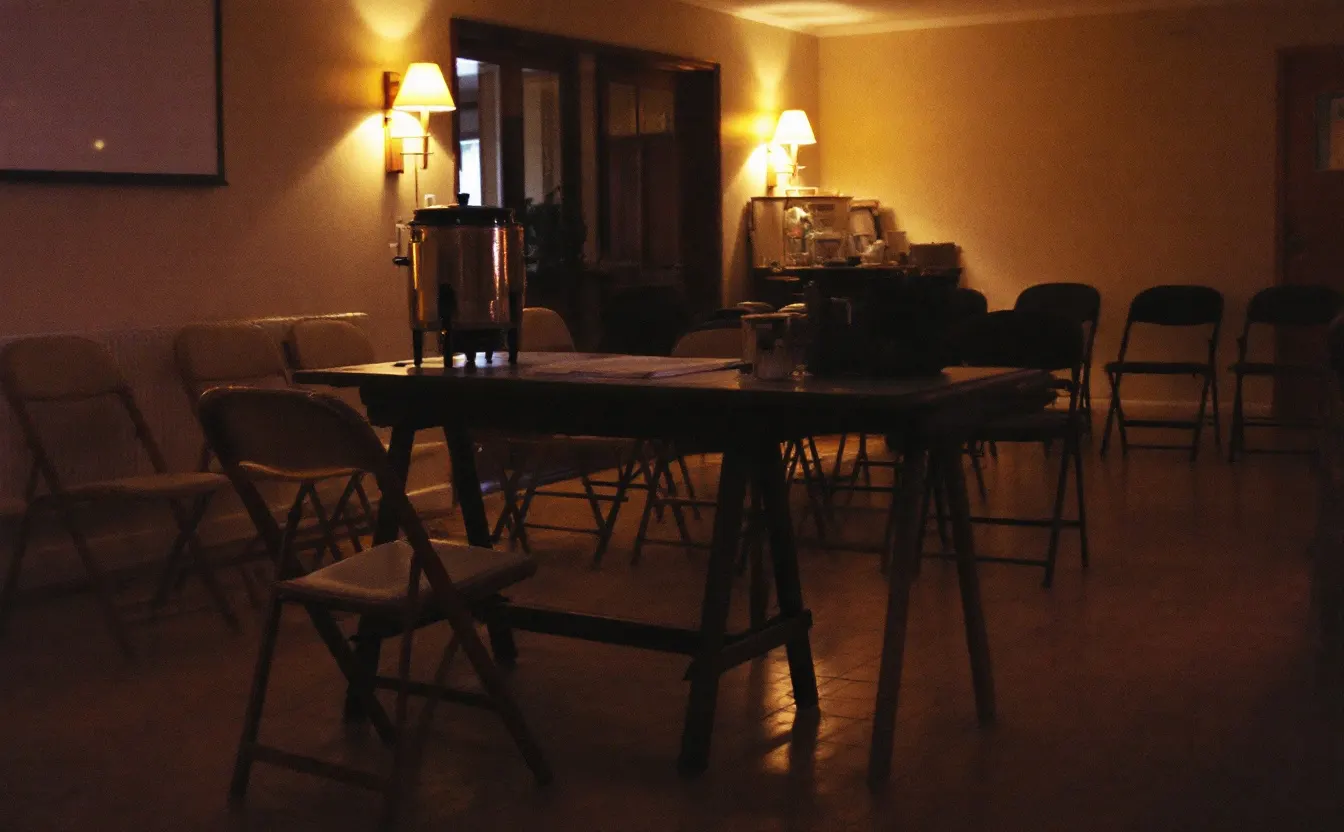
This piece skips the theory and follows one ordinary weeknight session, a two-hour evening in a rented hall, to show where serving the team actually happens. It works the same for a youth sports committee, a food pantry shift or a small group that meets in a church basement. Then there is a checklist you can keep on your phone, and a short list of habits that look like serving but are not.
Where the phrase comes from
The term was coined by Robert K. Greenleaf in his 1970 essay The Servant as Leader, later collected with other essays in the book Servant Leadership. Greenleaf said the idea came to him from a short novel by Hermann Hesse, in which a servant who carries the bags for a group of travelers turns out to be the head of the order that sent them.
His point, in plain terms: the servant leader wants to serve first, and leadership grows out of that. He also offered a test that is still the most useful one I know. Do the people you lead grow? Do they become more capable, more independent and more likely to serve others themselves?
That test is handy on a volunteer team, because it gives you something to check besides "did the event happen". An event can go off fine while the same three people do everything and nobody learns anything. By Greenleaf's measure, that is not a good night.
A Tuesday night, hour by hour
Here is what servant leadership looks like across one evening. None of it is dramatic. That is rather the point.
5:45 pm: before anyone arrives
You get there early, but not to do everything yourself. You do the two jobs that would make someone else's evening harder if they were left: turning the heating on and finding the key to the storage room. Then you leave the chairs, because setting up chairs is Marcus's job this month and he likes doing it properly.
Serving here means making it easy for others to do their part, not quietly doing their part for them.
6:15 pm: the volunteers arrive
You greet each person by name and say one specific thing. "Thanks for swapping your shift last week, that saved us." Not a speech, just a sentence. Then you tell the new volunteer who to stand next to, so she is not left hovering by the coat rack.
You also check the rota on the wall against who is actually here, before it becomes a problem at 6:55.
6:30 pm: the quick huddle
Five minutes, standing up. What is different tonight, who is doing what, and one question: does anyone need anything? If your team holds a longer planning meeting each month, keep that separate. There is a simple layout for it in the meeting agenda template.
The servant move in the huddle is to ask the last question and then wait. Count to five in your head. Someone usually says the projector cable is missing or they need to leave at 8.
7:00 to 8:30 pm: the session itself
This is where it gets harder, because the temptation is to be everywhere. Resist it. Stand somewhere you can see the room, step in when someone is stuck, and otherwise let people own their stations.
If a volunteer makes a small mistake, such as the wrong worksheet handed out or the coffee too weak, let it go unless it affects someone's safety. Fix it with them afterward, or not at all. Taking over in front of everyone teaches the whole team that you do not really trust them.
8:30 pm: clean-up
Stay for the whole of it, and take one of the dull jobs: the bins, the mop, the sticky table by the door. Leaders who leave at 8:31 send a message about whose time matters.
Ask one person, while you are both stacking chairs, how the evening went for them. Not a formal check-in, just a question. You will hear things in that moment you would never hear in a meeting.
9:15 pm: after you get home
Send one message to the group chat. Two lines: thanks, plus one thing that went well, credited by name. Then write down anything you promised during the evening, because you will not remember it on Thursday.
Serving the team versus doing everything
The most common confusion about servant leadership on volunteer teams is that it means doing all the work. It does not. Here is the difference, side by side.
| Looks like serving | Actually serving |
|---|---|
| Doing every unpopular job yourself | Taking your turn on the unpopular jobs, and rotating them fairly |
| Saying yes to every request | Saying yes when it helps the team, and no when it would stretch people too thin |
| Fixing problems before anyone notices | Showing someone else how to fix it next time |
| Never asking anyone for help | Asking clearly and specifically, so people get to contribute |
| Being available at all hours | Setting a time when the group chat goes quiet, and keeping it |
| Keeping all the knowledge in your head | Writing it down so the team works without you |
The left column wears a leader out and leaves the team dependent. The right column is slower at first, and much better by month three.
Turn the Ship Around! by L. David Marquet makes a similar argument from a very different setting, a navy submarine. Marquet describes moving from a leader who gives orders to a crew where people say what they intend to do and the leader mostly confirms it. Volunteer teams are not submarines, but the habit carries over well: ask "what do you think we should do?" before offering your own answer.
A weekly checklist
Keep this somewhere you will see it, such as a note on your phone or a card in your bag. It takes two minutes to run through on the drive home.
SERVANT LEADERSHIP: WEEKLY CHECK

[ ] Did I thank at least two people for something specific?
[ ] Did I ask someone's opinion before giving mine?
[ ] Did I take a turn on a dull job (bins, dishes, mop)?
[ ] Did anyone do something this week they had not done before?
[ ] Did I hand over one task instead of doing it myself?
[ ] Is there anyone I have not spoken to properly in a month?
[ ] Did I keep every promise I made last week?
[ ] Is anyone carrying too much? Who could share it?
If you tick five or more most weeks, you are doing well. If the same box stays empty for a month, that is your project for the next one.
The question about anyone you have not spoken to properly matters more than it looks. Quiet volunteers drift away without warning. A short monthly check-in, using something like these one-on-one meeting questions, catches most of that before it happens.
Where servant leadership goes wrong
A few patterns turn a good idea into a tired leader and a confused team.
- Martyrdom. Doing everything and mentioning it. If people hear about your sacrifices, they are not really gifts.
- No decisions. Serving the team does not mean polling everyone on every question. Sometimes the kind thing is to decide quickly so people can get on with their evening.
- Avoiding hard conversations. Letting a problem run because confronting it feels unkind. A volunteer who is unreliable, rude or unsafe needs a direct, private word, and the rest of the team needs you to have it.
- Serving the loudest. Responding fastest to whoever complains most. Serving the team means paying attention to the people who never ask for anything.
- Forgetting yourself. A leader with nothing left is no use to anyone. Build your own weeks off into the rota, the same as everyone else's.
Quick answers
Is servant leadership a religious idea?
The phrase came from Greenleaf, who wrote about businesses, universities and institutions as well as churches. Many faith communities use it, and so do plenty of secular ones. You can practice it in a parent-teacher group or a soccer league just as well.
Does it mean I never give instructions?
No. Clear instructions are a service. What changes is the tone and the order: you explain why, you ask for input when there is time, and you give people room to do the job their way.
What if the team expects me to do everything?
Some teams are used to a leader who does it all, and handing work back can feel like you are slacking. Say plainly what you are doing and why: you want the team to run well even on the weeks you are away. Then hand over one job at a time, with a short walk-through, and stay nearby the first time it is done without you.
How do I know if it is working?
Use Greenleaf's test. Look at your team six months from now. Are more people able to run things without you? Is anyone leading something they would not have tried before? If yes, it is working.
There is more on this kind of everyday leadership in the leading well section. For next Tuesday, pick one job you always do yourself and ask someone, by name and in person, if they would like to take it on.