
How to plan a fall work day when the furnace is still on the list
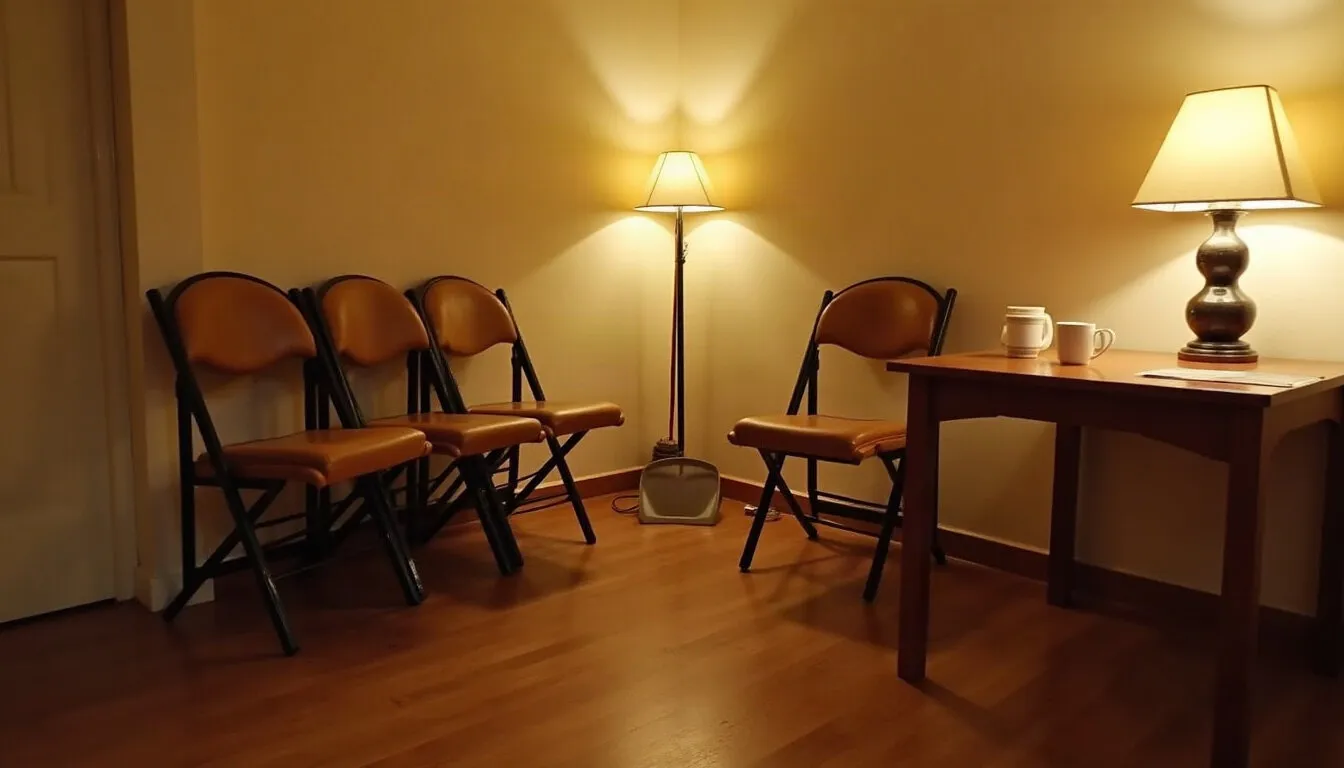
The fall work day sign-up sheet always fills up the same way. Six people want to rake leaves, four want to wash windows, and nobody writes their name next to "heating." That line sits in the shared spreadsheet until somebody notices the first cold Tuesday is three weeks away.
That gap is not laziness. It's a sign that the job belongs to someone else. Volunteers are great at the jobs on the left side of the list, and the right side, from duct and vent checks to Castle Rock furnace repair or its equivalent wherever your team meets, needs a paid professional and one person on the team to book them. This piece helps you split the work day into those two columns, plan the volunteer half properly, and make sure the professional half actually gets on the calendar.
Why the heating line never gets a name
Most volunteer teams sort jobs by what people already know how to do. Someone owns a leaf blower, someone likes ladders (more on that later), someone has opinions about window cleaner. The furnace doesn't fit anyone's hobby, so it drifts.
There's also a quieter reason. People sense, correctly, that a furnace is not a volunteer job. Gas, flues, electrical controls and carbon monoxide are not things a well-meaning person should poke at on a Saturday morning. But instead of saying "that's for a professional," the team just leaves the line blank and hopes someone else has it covered.
The fix is to stop listing the furnace as a work day task at all. It becomes a booking task, with an owner and a deadline, and it sits on a separate list from the raking.
In places with snowy winters and cold nights, the timing matters too. Heating companies get busy once the first real cold snap arrives, and a group that meets on weeknights can't easily move its evening into a cold room. Booking early is the whole trick.
What to set up before the work day
I split the plan into two columns on the same sheet. It keeps everyone honest about who does what.
| Volunteers on the day | Booked with a professional |
|---|---|
| Clear chairs, boxes and coats away from vents and returns | Furnace inspection and seasonal service |
| Vacuum dust from floor grilles you can lift by hand | Any repair the inspection finds |
| Move stored items away from the furnace closet door | Duct or vent work beyond surface cleaning |
| Note rooms that felt cold or stuffy last winter | Advice on replacing old equipment |
| Check that the closet is clear enough for a technician to work | Anything involving gas, wiring or the flue |
The left column is a genuine work day. It's useful, it's safe, and it makes the technician's visit faster. The right column has exactly one volunteer attached to it: the person who calls, books, lets the professional in and writes down what they said.
A few things to sort out before that call:
- Who holds the keys. The technician will need access on a weekday, probably during working hours. Find the person who can open the building then, not just on Saturdays.
- What you noticed last winter. Cold rooms, odd smells, a noisy start, the heat cutting out during a long evening. Write these down. A short list helps the professional more than "it seems fine, mostly."
- Who approves spending. If the inspection turns up a repair, someone has to say yes. Agree beforehand who that is and roughly what range they can approve without a full committee meeting. Think in bands (low, moderate, significant), not exact figures.
- Where the paperwork lives. Any service notes from previous years, the building's own instructions for the heating, the contact for whoever owns the building if you rent it. If you rent, the landlord may handle this already, so ask before you book anything.
If you're not sure who to call, look for a local heating company whose pages describe furnace repair and maintenance as part of what they do, and ask other groups that meet nearby who they use. A good company will explain what they checked, what they'd recommend and what can wait.
What to say when you ask someone to own it
The ask matters more than the job. "Can somebody deal with the furnace?" gets silence. A specific ask with a clear end gets a yes.
The person you want is not the handiest one on the team. It's the one who is reliable with phone calls and doesn't mind being in the building on a weekday morning. Often that's someone who has never volunteered for a work day because they don't enjoy manual jobs. This is their job.
Keep the limit visible. They are booking a professional, letting them in and reporting back. They are not diagnosing anything, and they are not expected to decide on big spending alone.
Say it like this
Could you be our heating contact this fall? It's one phone call to book the furnace service, one weekday morning to let the technician in, and a short message to the group afterwards.
You won't need to touch anything yourself, and anything over the agreed amount comes back to the committee.
If they say no, thank them and ask the next person on your list. Don't stretch the job to make it sound more appealing, and don't apply guilt. A rota that runs on guilt lasts one season.
On the work day itself
The work day runs better when the heating jobs on the left column happen first, before people get distracted by the more fun outdoor tasks.
Here's how the Saturday actually goes when it goes well:
- Start inside, 9:00. Two people walk the building and clear anything sitting on or against vents. Stored chairs, a box of spare songbooks, the coat rack that crept in front of the return in the back room. Everything gets moved at least an arm's length away.
- Grilles, 9:30. Anyone comfortable lifting floor grilles by hand vacuums out the loose dust and the inevitable pen caps. No tools needed, nothing unscrewed that isn't meant to lift out. Wall grilles that are fixed in place stay where they are.
- The furnace closet, 10:00. This is a look-and-clear job only. Move stored items out so there's open space around the unit and a clear path to it. Don't open panels, don't adjust anything, and don't store anything back in there afterwards. If something seems wrong (a smell, a sound, water on the floor, scorch marks), write it down and tell your heating contact. Don't investigate.
- The cold rooms list, 10:15. Walk the rooms people use on team nights and note which ones felt cold or stuffy last winter. That list goes to the heating contact for the technician's visit.
- Outside, 10:30 onwards. Now the leaves, the gutters you can reach from the ground, the windows and the path lighting check. This is the part people signed up for, and it's more pleasant once the inside list is done.
One rule I'd put on the sign-up sheet in plain words: nobody climbs onto the roof, and nobody goes up a tall ladder alone. Gutters that need a ladder above a couple of steps are another job for a professional or for a properly organized second day with the right equipment and someone holding the base.
And if anyone ever smells gas in the building, the work day stops. Everyone leaves, and the call goes to the gas utility or emergency services from outside. That isn't a volunteer problem to solve, and it's worth saying so out loud at the start of the morning.
Following up afterwards
The technician's visit is where the real value lands, so make sure it doesn't evaporate into one person's memory.
Ask your heating contact to send a short note to the group within a day or two of the visit. It doesn't need to be formal. Three lines will do:
- what the technician checked
- anything they recommended doing now
- anything they said could wait, and roughly when to look at it again
File that note where next year's team will find it, whether that's a shared folder, the committee notebook or a pinned message. In a year, someone new will be wondering whether the heating was ever looked at, and the answer should take ten seconds to find.
If the technician recommended a repair, bring it to whoever approves spending, quickly. Repairs put off until December tend to become cold-evening emergencies in January, and the group that meets on Tuesdays ends up in coats.
Finally, thank the heating contact in front of the team. They did the invisible job, the one that made every evening this winter warmer, and invisible jobs are the ones people quietly stop doing when nobody notices.
Before your next team night
Open your work day sign-up sheet and move the furnace off the volunteer list into its own line, with a name, a booking deadline and a note of who approves any repairs.
A warm room in January starts with one short phone call in the fall, made by someone who knew it was theirs to make.