
How to announce a building project when people like things as they are
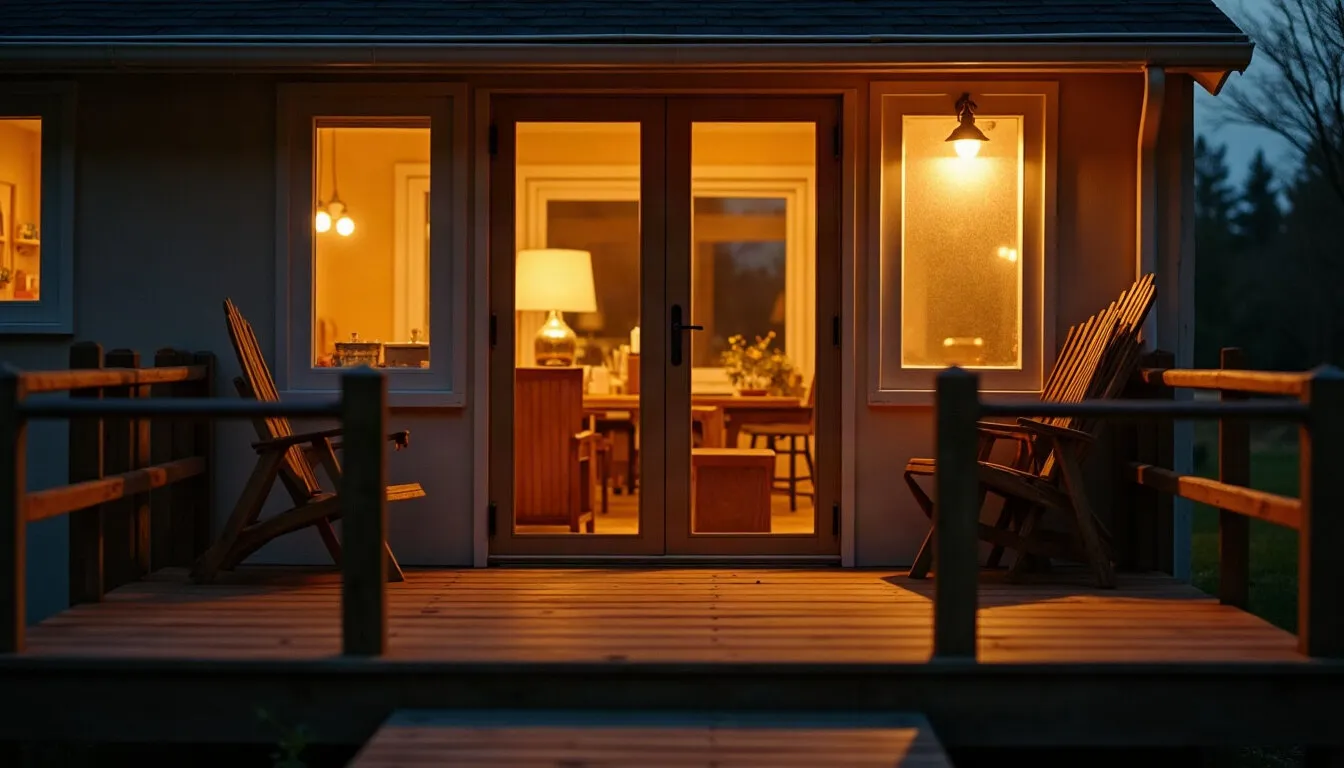
The committee has met three times. The quotes are in, the decision is made, and the patch of muddy grass behind the hall is finally going to become a deck where people can sit on summer evenings. Now somebody has to stand up after announcements on Sunday and tell everyone. That somebody is you.
If your group meets in central Kentucky, the local pages for deck builders Lexington KY are a sensible place to read before you write a word, because they show what the work involves. The rest of this piece is about the announcement itself: two minutes, said plainly, that leave people informed rather than worried.
Why building news lands badly
People don't usually object to a deck. They object to surprise. A building project changes the place where a group has met for years, and even a good change can feel like a loss when it arrives without warning. The bench under the tree, the corner where the kids kick a ball, the path the older members use to reach the side door: these matter to people, and they will want to know what happens to them.
There's also the rumor problem. By the time a committee is ready to announce, half the room has already heard something. One person heard it will cost a fortune. Another heard the hall will be closed all summer. If your announcement doesn't answer those rumors, the parking lot will answer them for you after the meeting.
And committee members are often the worst people to explain a decision, because they've lived inside it for months. They forget that everyone else is hearing it for the first time.
What to set up before you speak
Before you write the announcement, collect four facts. You don't need more than four.
- What is being built, in one sentence a child could repeat.
- When the work starts and roughly how long it lasts, as the contractor has told the committee.
- What changes for the group while the work is happening: entrances, parking, outdoor space, noise.
- Who to ask, meaning one named contact person on the committee, not "the committee."
Get the second and third facts from the contractor in writing, and check them with whoever on the committee is the contact. A good builder will generally walk the site with you, explain which areas will be fenced off and when the noisy days are likely to be. Write those down in plain words. If you don't know something yet, that's fine; say so, and say when you'll know.
Then think about the room. A two-minute announcement can be lost if half the people can't hear it. If the hall has a microphone, test it before people arrive and stand close to it. If it doesn't, stand where the back row can see your face, and slow down. Ask someone near the back to raise a hand if they can't hear you. Light matters too: don't stand with a bright window behind you, or people will see a silhouette and lose interest.
Think about who is listening, too. Older members may worry about access while the work is going on. Parents will want to know where children can play. The people who set out chairs every week will want to know where the chairs will live. You don't need a sentence for each group, but your one line about what changes should answer the worry most people will have.
Keep the decision and the money separate. This is an announcement, not a debate and not an appeal. If people have questions about cost or about how the decision was made, they can talk to the contact person afterwards. Saying so up front stops the announcement turning into a meeting.
What to say
Short sentences. One idea each. Start with the good news, then the practical changes, then the person to talk to. Don't apologize for the project and don't oversell it.
Say it like this
Some good news about the space behind the hall. The committee has agreed to build a deck there, so we'll have somewhere to sit outside on summer evenings. Work starts next month and the contractor expects it to take a few weeks. During that time, please use the front door, not the side path, and keep children away from the fenced area. If you'd like to know more, talk to the committee contact after the meeting.
That's the whole announcement. Read it out loud at home once or twice. You'll find the place where you trip over a phrase, and you can change it. You'll also find out how long it really takes, which is usually less than you feared.
Don't hold the paper. Put the four facts on a small card in your pocket if you need them, but look at the room while you talk. People trust a speaker who looks at them, and building news needs that trust more than most.
Leave out the words that make people nervous: "major," "disruption," "unfortunately," "we had no choice." Leave out the jokes about the old lawn too. Somebody in the room loves that lawn.
On the day
Arrive early and check three things: the microphone, where you'll stand, and whether the committee contact is actually there. If the contact can't come, choose someone else before you start, and say their name instead.
When it's your turn, wait for the room to settle. Count two seconds of quiet before your first word. It feels long. It isn't.
Say the announcement, then stop. Don't add "so, yes, that's about it, any thoughts?" The moment you open the floor, the announcement becomes a debate. If the group's custom is to take a few questions, take two at most, answer the ones you can, and send the rest to the contact person.
Watch the faces while you speak. If people look puzzled at one point, say that line again in different words. If someone looks upset, catch their eye kindly and keep going; you can find them over coffee afterwards. A short conversation one to one does more than any reply from the front, and it lets them say what the change means to them without an audience.
If someone asks something you don't know, say "I don't know yet, but I'll find out and let everyone know next week." Then do it. Nothing settles a room like a speaker who keeps a small promise.
Following up afterwards
Most people only half-hear a spoken announcement. Within a day, post the same words in the group chat or the weekly email, and add the dates as soon as you have them. Repetition isn't nagging. It's how news reaches the people who were in the kitchen making coffee while you spoke.
Once the work starts, a short update every couple of weeks keeps the rumors down. One or two sentences is plenty: "The frame is up. The side path stays closed until the end of the month."
Keep volunteers off the site. Some members will want to help, and it's lovely that they do. The structure, the footings and anything at height belong to the contractor's crew. If people want to be useful, there's always planting, painting the hall's front door or sorting the outdoor chairs once the work is finished.
Here's a small run-sheet you can copy for any building announcement:
| When | What you do |
|---|---|
| A week before | Collect the four facts in writing, choose the contact person |
| Two days before | Write the announcement, read it aloud twice |
| On the day, early | Test the microphone, check where you'll stand |
| On the day | Say it, stop, send questions to the contact |
| The next day | Post the same words with dates in the group chat |
| Every two weeks | A one-line progress update |
When the deck is finished, give it one more short announcement. Thank the people whose routines changed, name the first evening it will be used, and let people enjoy it.
Before your next team night
Take the next piece of news your committee needs to share, and write it in five sentences or fewer on an index card. Read it out loud in your kitchen once, and you'll be ready when the room goes quiet.