How to host a small group when everyone ends up in the kitchen
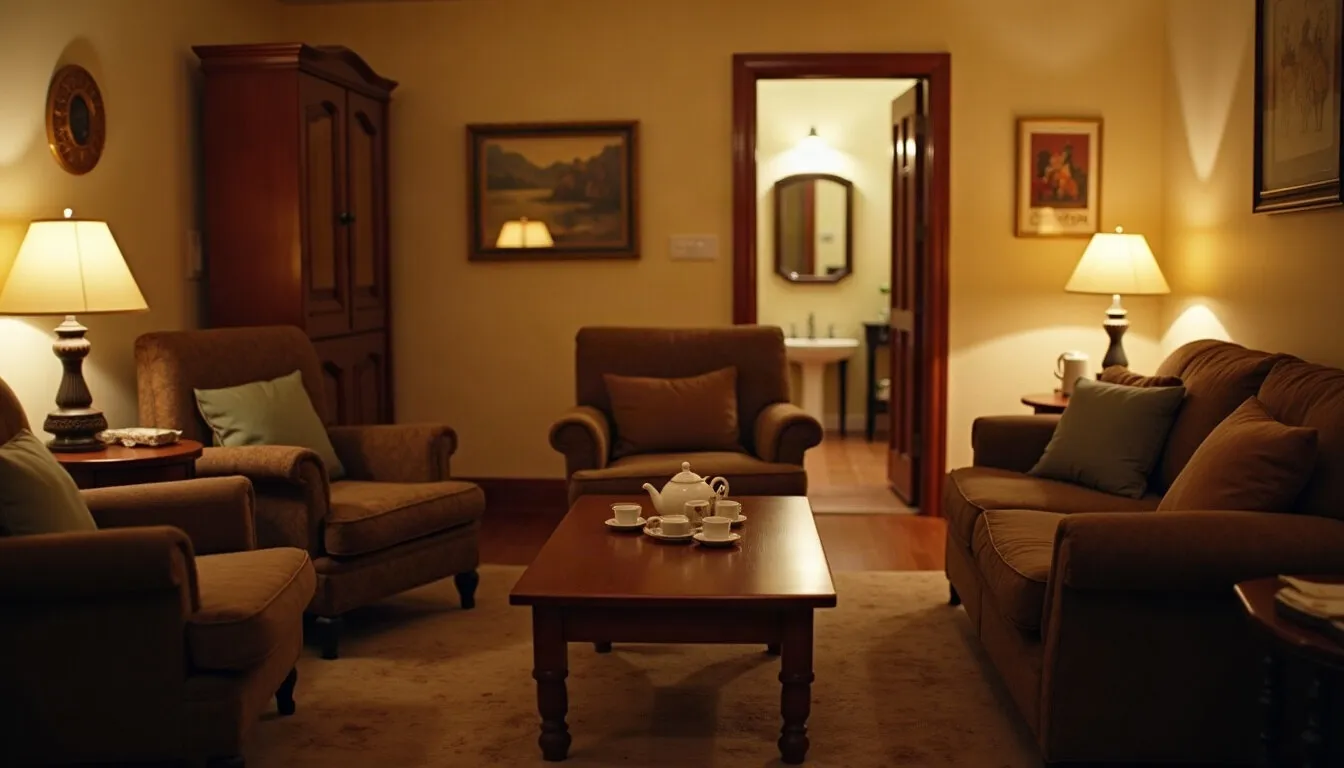
You set out the living room beautifully. The lamps are on, the cushions are plumped, there's a candle on the coffee table. And by 7:20 pm, every single person is standing in your kitchen, leaning on the counters, mugs in hand, talking over the sound of the kettle.
Every host learns this sooner or later: the kitchen is where people feel at home. If yours is looking tired, freshening it up can make hosting easier, and for painted cabinets in Colorado Springs, one local option is Front Range Painters CO. This piece is about the room itself, though, and how to make the kitchen work for your group instead of against it.
Why everyone ends up in the kitchen
It isn't that your living room is unwelcoming. It's that the kitchen asks nothing of people. In the living room, a guest has to choose a seat, which means choosing who to sit next to, which means a small decision they'd rather not make when they've just walked in. In the kitchen, they can stand, hold a mug and drift between conversations.
The kitchen also has jobs. People who feel awkward love a job. Filling the milk jug, finding a plate for the cookies, drying a mug: these give a nervous newcomer something to do with their hands while they work out who everyone is.
And it's where the host is. If you're making tea, people come to you. The first group I hosted had six people and a dog, and all seven of them followed me into the kitchen every week for a month before I realized it wasn't the living room's fault. It was mine.
What to set up in the kitchen before people arrive
Instead of fighting the kitchen, plan for it. Give people a reason to gather there for the first fifteen minutes, then a reason to move.
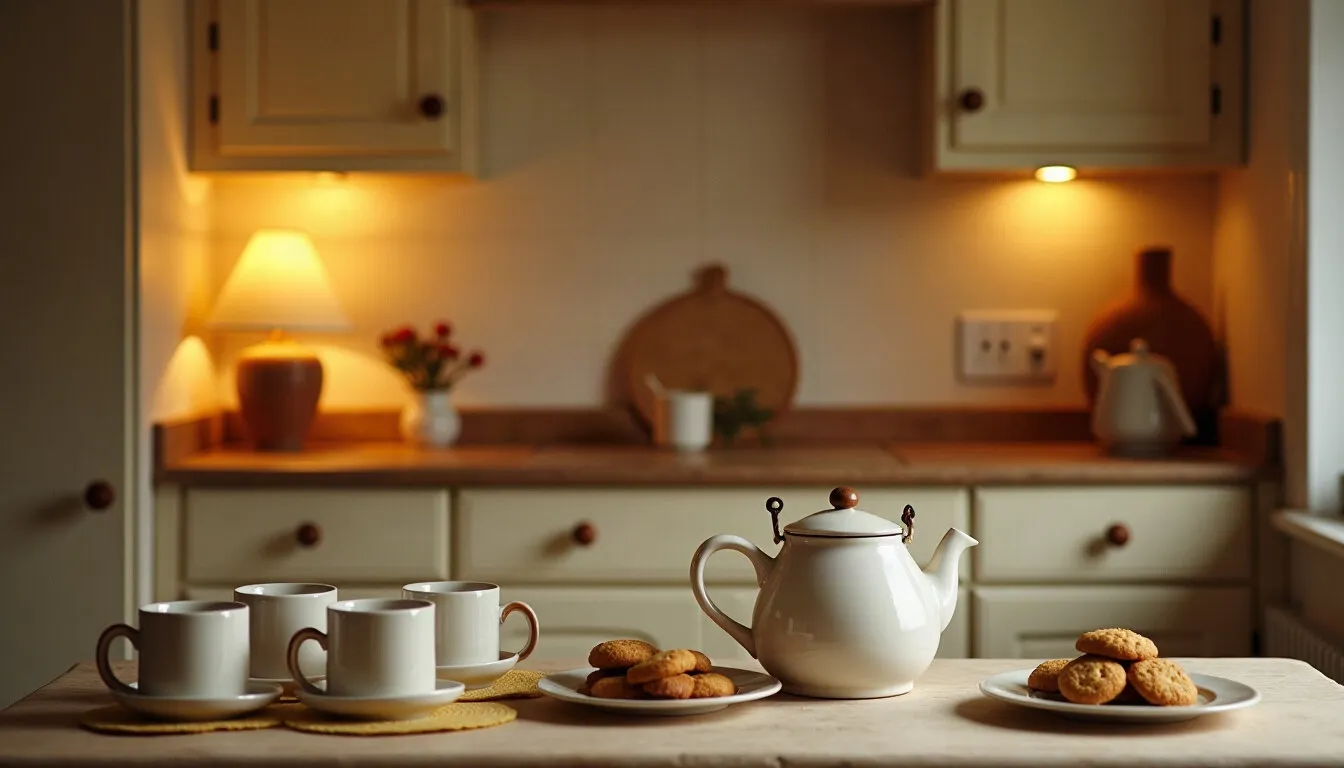
Clear one counter completely. Not mostly. Completely. That's where the drinks go, so people aren't squeezing between your fruit bowl and the toaster.
Put everything for drinks in one place. Mugs, tea, coffee, milk, sugar, spoons and a small bin for teabags. If guests have to ask where the spoons are, they'll stand in the doorway waiting for you.
Think about the light. Kitchens are often lit for cooking: bright, flat and a little harsh. If you have under-cabinet lights or a lamp you can bring in, use them in the evening. A softer kitchen feels like part of the gathering rather than a workroom.
Make the cupboards easy. Guests will open your cupboards looking for things. That's fine. If there's a cupboard you'd rather they didn't open, say so in a friendly way, or put a few things out so they don't need to look.
Look at it with a guest's eyes. Stand at your kitchen doorway the way a newcomer would. What do they see first? Often it's the cabinet doors: the sticky handles, the chipped corner, the color you've been meaning to change for years. Hosts notice these more than guests do, but if they bother you, they'll make you apologize, and a host who's apologizing isn't welcoming. Fixing them can be a small project or a big one, and for painting the doors properly, a professional painter is usually worth it, because cabinets get handled constantly and a rushed finish shows quickly.
Plan for a small kitchen. Not every host has room for twelve people around an island. If yours is a galley kitchen where two people can barely pass, set the drinks up just outside it instead: a side table in the hallway or the end of the dining table. You keep the easy, standing feel of the kitchen without the traffic jam by the oven.
Keep food simple. A kitchen full of guests is no place to be cooking. Anything that needs stirring, timing or the oven at the last minute will keep you at the stove while your group gathers around you. Cookies, fruit, a cake someone brought: food that can sit on a plate for an hour is a host's best friend.
Here's a short kitchen checklist to run through before group night:
- One counter cleared for drinks
- Mugs, spoons, milk, tea and coffee together
- A bin for teabags and a cloth for spills
- Softer light switched on
- Dishwasher emptied, so mugs can go straight in
- A plate ready for whatever someone brings
- A chair or stool for anyone who can't stand for long
What to say to move people out of the kitchen
At some point, the kitchen gathering has to end and the evening has to start. This is the moment many hosts dread, because it feels like breaking up a good conversation. It doesn't have to.
The trick is to make the move an invitation, not an instruction. Give a little warning, then go first. People follow a host who walks into the living room carrying her own mug.
Say it like this
Grab a refill if you want one, and come on through when you're ready. I've saved the comfy chairs for whoever made it here in the rain.
Swap in whatever fits the evening. The point is the warmth and the small joke, not the exact words.
If you have a newcomer, walk with them. "Come and sit by me" is the kindest sentence a host can say to someone who doesn't know where to go.
On the night
Arrive in the kitchen before your guests do. Put the kettle on ten minutes before the start time so you're not stuck at the counter when the doorbell goes. Answer the door yourself if you can. The first few seconds set the tone for the whole evening.
Keep a mug in your own hand. It sounds odd, but a host holding a mug looks relaxed, and a relaxed host gives everyone else permission to relax too. If you're rushing around wiping counters, guests will start wiping them with you.
Let the kitchen time run for about fifteen minutes. That's long enough for people to arrive, settle and catch up, and short enough that the evening doesn't slip away.
Watch who's on their own. In a kitchen crowd, the quiet person often ends up by the fridge, half in and half out of a conversation. Give them a job ("could you bring the plate of cookies through?") and walk with them.
When the evening ends, don't let everyone help wash up unless you want them to. Some hosts love the last ten minutes at the sink with two friends. Others want their kitchen back. Either is fine. Say which you'd prefer.
Following up afterwards
After a few weeks, notice what's working. Maybe people now drift through to the living room on their own. Maybe one regular has quietly taken over making the tea. Thank them. Small habits like that are how a group starts to look after itself.
If the kitchen has been bothering you, write down what you'd change, from small to large. A new bulb, a clearer counter, a fresh coat of paint on the cabinet doors. Some of it you'll do yourself in an afternoon. Some of it is worth getting a quote for. Either way, you'll host with less apologizing and more ease.
It's also worth asking the group what they like about the kitchen time. You may find that the fifteen minutes by the kettle is the part some people value most, because it's where they catch up on each other's week. If so, protect it. Start the evening proper a little later rather than cutting it short.
And if you share hosting with others, pass on what you've learned. A one-paragraph note on "how our group uses a kitchen" can help a first-time host feel ready.
Before your next team night
Before your next group evening, clear one kitchen counter completely and put every drinks item on it. Then see how much easier the first fifteen minutes feel.