
What to do when the hall kitchen drain keeps blocking before meetings
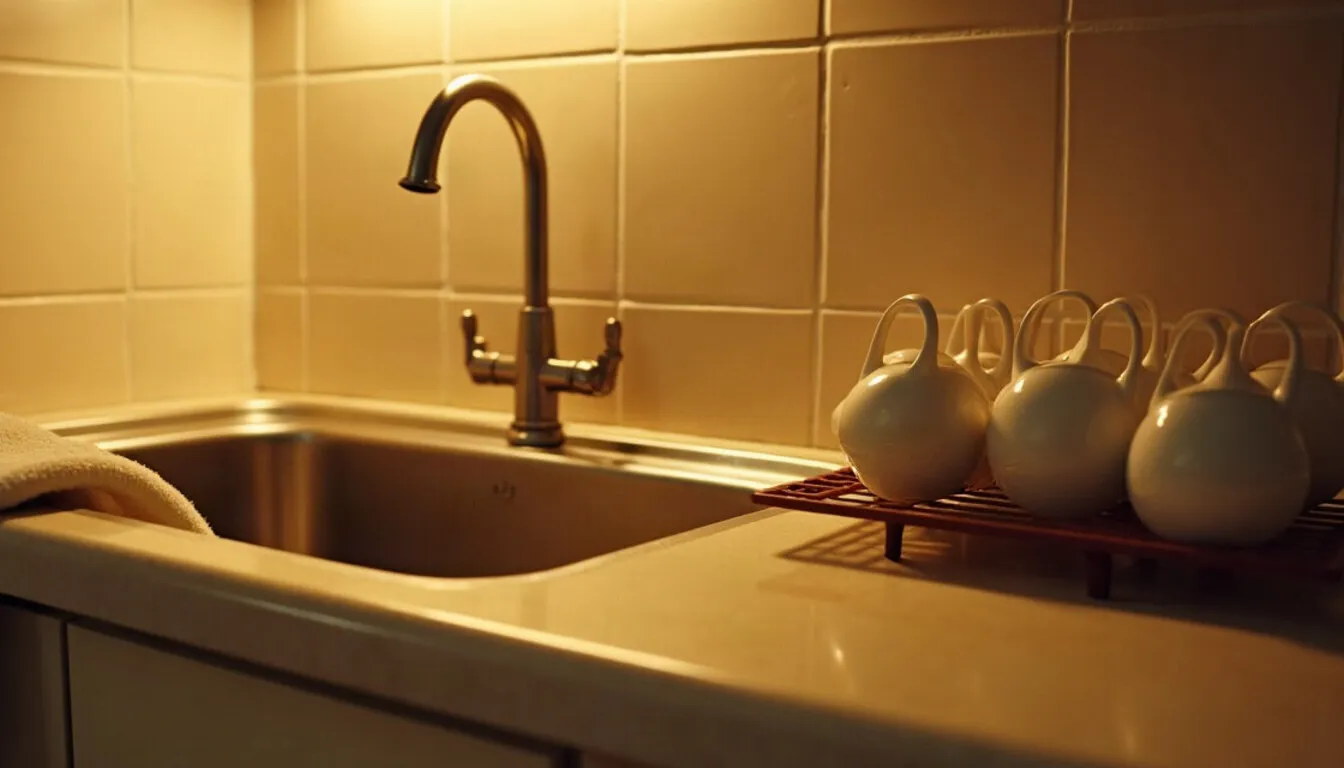
It's 6:50 pm, the committee meets at seven, and someone has just put their head round the door to say the kitchen sink in the hall is full of gray water again. The urn is on, the mugs are out, and nobody can rinse a thing. If your group meets in Colorado and you're researching clogged drain service Aurora, start there, then bring what you learn to the meeting rather than the corridor.
That last part is the point of this piece. A blocked drain is a small plumbing job, but in a shared building it turns into a committee problem: who noticed it, who calls someone, who lets them in, who pays and who tells the people who use the room on Thursday. Here is how to handle it so it gets sorted once, by the right person, without three volunteers phoning three different plumbers.
Work out why the same drain keeps blocking
When a drain in a shared kitchen keeps backing up, the cause is rarely one bad evening. It's usually a pattern. Coffee grounds tipped into the sink because the bin was full. Fat from the soup lunch poured away while it was still warm. A strainer that went missing two years ago and was never replaced. Each group that uses the room does a little of it, and none of them sees the whole picture.
The other cause is organizational. Nobody owns the building's plumbing. The caretaker thinks the committee handles it, the committee thinks the caretaker does, and the user groups assume someone, somewhere, has a plumber's number. So the sink gets plunged, it drains slowly for a fortnight, and the cycle starts again.
A slow drain that keeps coming back can also be a sign of something further down the line, which is exactly the kind of thing only a professional can check. Your job as the person running the meeting isn't to diagnose it. It's to make sure one person is responsible for getting it looked at properly.
Set up the decision before the meeting
The quickest way to waste half an hour is to arrive at the meeting with no information and let everyone share their own plumber story. Do a little groundwork first, ideally the day the problem is reported.
Here's what I'd gather before the agenda goes out:
| What to find out | Who usually knows | Why it matters |
|---|---|---|
| Which sink or drain, and since when | The person who reported it | Tells the plumber what to look at first |
| Whether it has happened before | Caretaker or long-serving members | A repeat problem may need more than a quick clear |
| Who can approve spending | Treasurer or chair | Stops the booking stalling halfway |
| Who holds keys on weekdays | Whoever runs the lock-up rota | Plumbers rarely work at 7 pm on a Tuesday |
| Which groups use the kitchen this week | The room booking calendar | They need to know what they can't use |
With that table filled in, the item on the agenda becomes a short decision rather than a long discussion.
Some things to sort out in the meeting itself:
- Name one contact person for the job. One name, not "the buildings people".
- Agree a spending limit that person can approve without coming back to the committee.
- Decide whether you want a single visit to clear the drain or a visit that also includes a look at why it keeps happening.
- Agree who tells the user groups, and by when.
And some things to sort out afterwards, outside the meeting:
- Phoning or messaging local companies and getting a time.
- Asking for the quote or the likely cost range in writing, even if it's a short message.
- Putting the visit on the shared calendar so the key holder sees it.
- Writing up what was done for the minutes.
The split matters. Committees are good at deciding who and how much. They're bad at phoning tradespeople together. Let the meeting make the decision and let one person do the legwork.
What to say to the committee and the user groups
There are two conversations here. The first is in the room: you need the committee to agree a contact person and a limit without turning it into a debate about who blocked the sink. The second is the message to everyone who uses the kitchen, which has to be clear enough that nobody arrives on Thursday with a tray of washing up and nowhere to pour it.
Keep the first one short. State the problem, state the proposal, ask for agreement. Something like: "The kitchen drain has blocked twice this month. I'd like one of us to book a professional drain clean this week, with a spending limit we agree tonight, and report back at the next meeting." Then stop talking and let people agree or adjust the limit.
The second message goes in the group chat or the email list the same evening. It should say what's happened, what people should do in the meantime, and when it'll be fixed if you know.
Say it like this
Quick note for everyone using the hall kitchen this week: the sink drain is blocked, so please don't pour anything down it.
A plumber is booked, and I'll post here as soon as it's cleared. Until then, use the jugs and the outside drain for rinse water only.
Grounds and food scraps in the bin, please. Thank you for bearing with it.
Notice what that message doesn't do. It doesn't ask anyone to have a go with a plunger or a bottle of drain cleaner. In a shared building, the kindest thing you can do for the next group is to stop well-meaning volunteers from making the problem harder for the professional to fix.
On the day the plumber comes
The visit is where small admin gaps cause the most trouble. The plumber arrives at 10 am, the key holder thought it was 2 pm, and the only person with a code to the side door is at work across town. A short run-sheet for the day avoids most of that.
- The day before: the contact person confirms the time with the company and sends the key holder a reminder.
- Morning of: the key holder opens up, clears the area under the sink and around the kitchen hatch so there's room to work, and moves the urn and stacked mugs out of the way.
- During the visit: one person stays nearby to answer questions about the building (where the access points are, what's been happening, whether other sinks or toilets have been slow).
- Before the plumber leaves: ask them to explain in plain words what they found and what they'd recommend, and whether anything needs a follow-up visit.
- After: the contact person posts in the group chat that the kitchen is back in use and writes three or four lines for the minutes.
That fourth step is the one committees skip, and it's the most useful. A good plumbing company will usually tell you what was causing the blockage and whether it's likely to come back. Write that down. It's the information that will save your next committee a lot of guessing.
If the visit turns up something bigger, such as a problem further along the drain line, don't let the contact person agree to major work on the spot unless it sits inside the limit the committee set. Ask for the recommendation in writing, thank the plumber, and take it to the next meeting or to the chair and treasurer between meetings. Keeping that rule clear protects the contact person as much as the group's funds.
Follow up so it doesn't come back
Once the sink drains properly again, it's tempting to forget about it. A few small changes make a real difference in a kitchen that several groups share.
- Put a simple strainer in each sink and a lidded bin right next to it.
- Add one line to the kitchen notes or the room booking confirmation: grounds, scraps and fat go in the bin, not the sink.
- Keep a small container for cooled fat so the soup lunch team has somewhere to put it.
- Record the plumber's details and the date of the visit in the same place as the other building contacts.
- Add a line to the committee's yearly checklist to ask whether any drains have been slow.
None of this needs a working group. It needs one person to buy the strainers and one line in the minutes.
It's also worth thinking about what happens next time. If the drain blocks again on a Saturday morning before a big event, will people know who to call? Agree now that the same contact person handles drains and plumbing, or name a second person for when they're away. Write both names, and the company you used, on the inside of the kitchen cupboard door where the volunteers making tea will actually see it. A local company you've already dealt with is far easier to call in a hurry than a fresh search on a phone with cold hands.
Before your next team night
Open the room booking calendar, find the next evening the hall kitchen is in use, and send one message to the committee asking who will be the named contact for plumbing problems from now on. Get a single name back before that evening, and add it to the agenda so it's agreed and minuted.
The sink will block again someday, and when it does, the only thing anyone will need to know is who to tell.